
Håll dig uppdaterad med WXINGs nyheter och innovationer.
Cold heading is a high-efficiency metal forming process widely used in the production of bolts, nuts, screws, rivets, and other fasteners. During the process, steel wire is subjected to significant plastic deformation, which means cold heading steel must not only have good formability but also meet requirements for strength, toughness, and subsequent heat treatment. Choosing the right steel is essential for maintaining stable production and ensuring fastener quality.
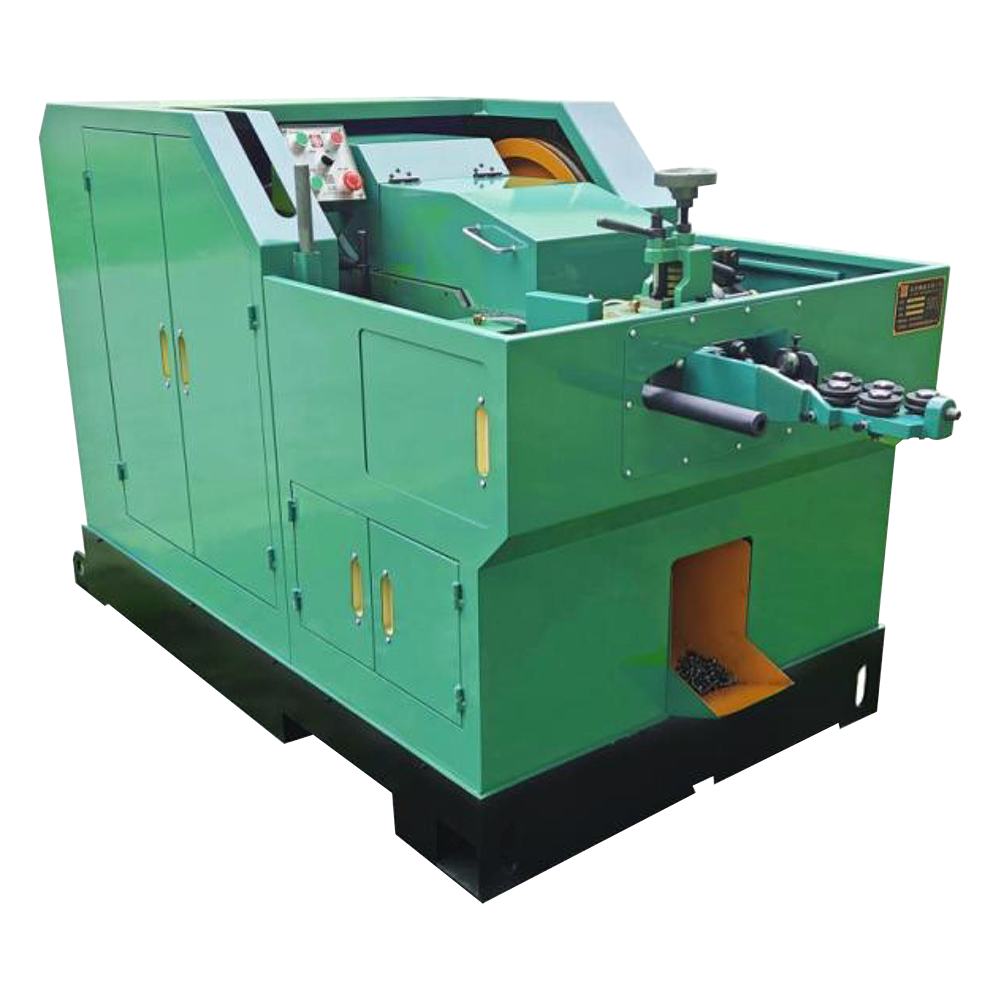
During cold heading, steel wire experiences impact, compression, and extrusion forces. These requirements also place higher demands on the precision and stability of the cold heading machine, as equipment performance directly affects forming consistency and production efficiency.
If the material lacks sufficient performance, problems such as head cracking, folding, and fracture may occur, while die wear can also increase. Therefore, high-quality cold heading steel typically requires the following properties:
| Property Requirement | Impact on Cold Heading |
|---|---|
| Good plasticity and ductility | Allows the material to withstand large deformation without cracking |
| Uniform internal structure | Improves forming stability and reduces defects |
| Low inclusion content | Reduces crack risks and improves product reliability |
| Good surface quality | Prevents surface defects from affecting final performance |
| Appropriate strength level | Meets both processing and application requirements |
◆ Key point: For cold heading steel, the material must be easy to form while also providing suitable mechanical properties according to the fastener grade and working environment.
Low carbon steel has good plasticity and relatively low deformation resistance, making it one of the most commonly used materials for general cold heading applications.
▸ Common materials include:
These steels are mainly used for standard screws, small bolts, rivets, and other fasteners.
▸ Key advantages:
However, due to their relatively low carbon content, these materials have limited strength improvement potential. For high-load fasteners, additional heat treatment processes are usually required to enhance performance.
Boron steel is a commonly used material for high-strength cold headed fasteners. By adding a small amount of boron, the hardenability of the steel can be improved, allowing finished parts to achieve higher strength and toughness after heat treatment.
▸ Common materials include:
▸ Boron steel is widely used in:
These materials provide a good balance between cold heading performance and mechanical properties after heat treatment, making them suitable for producing fasteners with strength grades such as 8.8 and 10.9.
When fasteners need to withstand higher loads and greater fatigue requirements, alloy steel is often selected.
▸ Common materials include:
By adding alloying elements such as chromium, molybdenum, and manganese, alloy steel can achieve higher strength, toughness, and fatigue resistance.
▸ Typical applications include:
◆ Note: Higher alloy content may increase deformation resistance during cold heading. Therefore, processes such as spheroidizing annealing are often used to improve machinability and forming performance.
| Fastener Type | Recommended Materials | Main Considerations |
|---|---|---|
| Standard screws and rivets | ML08, C10C | Focus on plasticity and forming efficiency |
| Standard bolts and nuts | C10C, low alloy steel | Balance formability and strength |
| Grade 8.8 fasteners | 10B21, 20MnB4 | Meet strength requirements after heat treatment |
| Grade 10.9 fasteners | 30MnB5, 40Cr | Require higher strength and hardenability |
| Grade 12.9 high-strength fasteners | 35CrMo, 42CrMo4 | Focus on strength, toughness, and fatigue resistance |
Higher strength does not always mean better suitability for cold heading. If the material has insufficient plasticity, it may cause forming cracks, shorten die life, and reduce production efficiency.
Cold heading involves significant deformation, so surface defects such as scratches, cracks, or decarburized layers may become more serious during processing and affect fastener reliability.
The choice of cold heading steel depends not only on forming requirements but also on subsequent processes such as heat treatment, plating, corrosion protection, and final operating conditions. Proper matching of material and processing technology is essential for stable product performance.
Suitable cold heading steel is not simply the strongest material. Instead, it should balance plasticity, strength, surface quality, and heat-treatment performance.
Low carbon steel is suitable for standard fasteners, boron steel is commonly used for medium and high-strength applications, while alloy steel is preferred for high-load and high-performance fasteners. When selecting cold heading steel, manufacturers should consider product structure, production processes, and application requirements to reduce processing defects and improve fastener quality and production efficiency.